
More Than a Personality Test: What Myers-Briggs Taught Me About Collaboration at enFocus
By Ava Harms, enFocus Intern
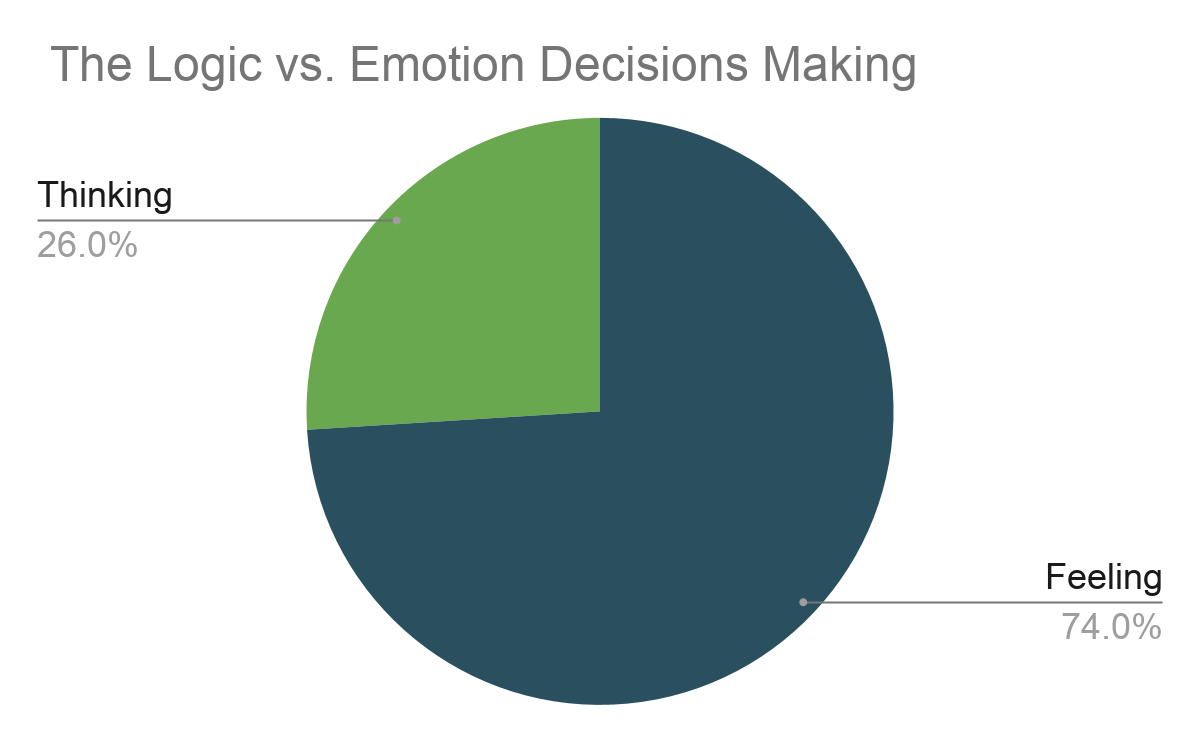
When you take the Myers-Briggs Type Indicator (MBTI) personality assessment, it explores several aspects of how you interact with the world. It looks at whether you gain energy from being around other people or spending time alone, whether you focus on big ideas or concrete details, and whether you tend to make decisions based on logic or emotions. It also considers whether you prefer having a plan or going with the flow. While a personality test doesn't tell the whole story about who someone is, it can be a fun way to reflect on your own tendencies while also gaining insight into how others approach their work.
During the first week of our internship, the enFocus interns decided to take the assessment for fun. As we compared our results, I became curious about how different personalities influence the way people collaborate. I later learned that new enFocus employees also take the assessment as part of their onboarding, reinforcing that understanding one another's working styles is something the organization values from the very beginning.
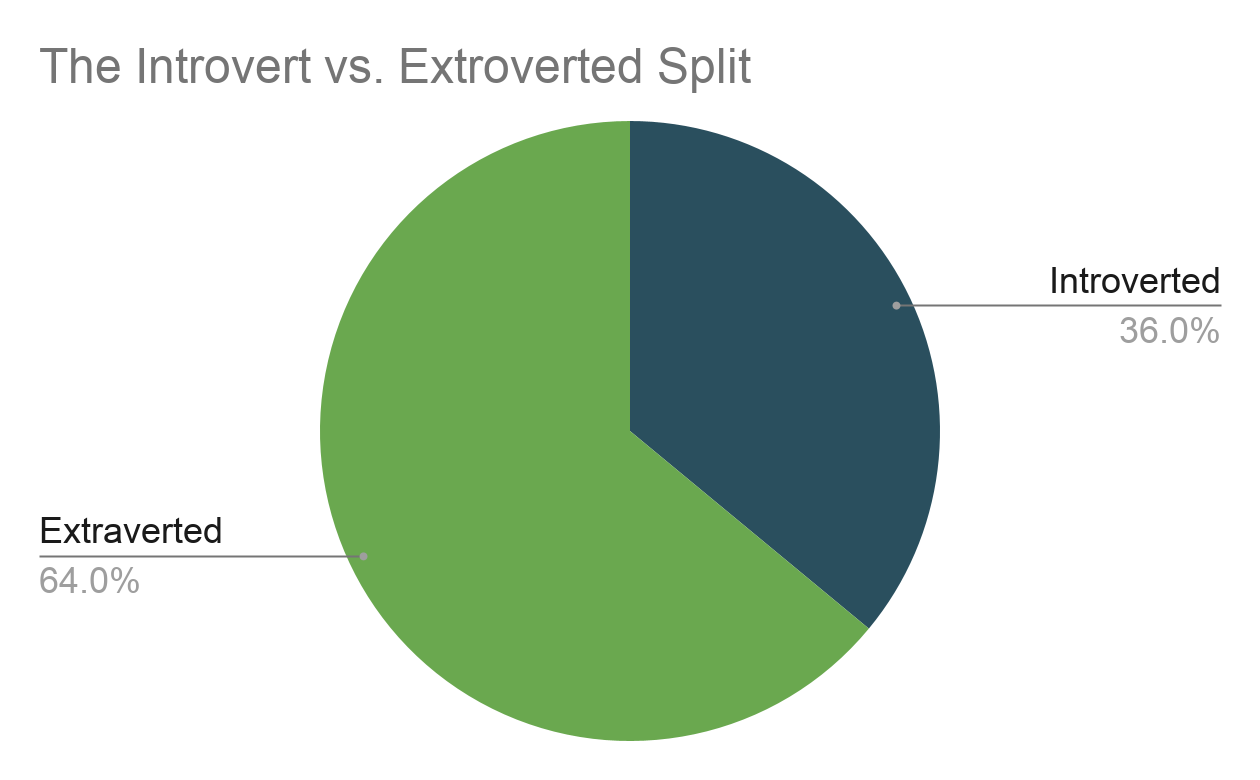
Personally, I discovered that I'm an ENFJ-T, often called "The Protagonist." The results describe me as someone who enjoys connecting with others, collaborating on ideas, and helping people work toward a common goal. Many parts of the description felt accurate, especially my love for teamwork and building relationships. At the same time, I wouldn't necessarily consider myself an extrovert. While I enjoy collaborating and thrive in team settings, I also need time alone to recharge and reflect. The experience reminded me that personality assessments can offer valuable insights, but they don't define who we are.
Comparing results across the office was one of the most interesting parts of the experience. Several people I assumed were extroverts because of how outgoing they seemed actually identified as introverts. It was a reminder that being confident and engaged at work doesn't necessarily mean someone gains energy from constant interaction. People bring different strengths to the workplace, even if those strengths aren't immediately obvious.
“That diversity of thought is especially important at enFocus. Every project brings together people with different backgrounds, perspectives, and problem-solving styles. Whether working with nonprofit organizations, businesses, or local governments, successful solutions require both analytical thinking and empathy. Some team members naturally focus on data, strategy, and process, while others excel at relationship-building, communication, and understanding the needs of the people behind the project. Having a balance of those perspectives helps create solutions that are not only effective but also meaningful for the communities we serve.”
Later in the internship, we participated in a professional development session focused on how different personalities and working styles influence team dynamics. The discussion reinforced something I had already started to notice: collaboration improves when people understand and appreciate each other's strengths. Rather than expecting everyone to approach work the same way, recognizing our differences allows us to communicate more effectively, divide responsibilities thoughtfully, and learn from one another.
One of the things I've appreciated most about my internship at enFocus is that collaboration isn't just encouraged, it's intentional. The Myers-Briggs assessment may not capture every part of someone's personality, but it sparked conversations that helped us better understand ourselves and each other. In an organization built on solving complex community challenges through teamwork, that understanding makes all the difference.
